
How to Catch Eastern Rock Blackfish
BY DAVE SEAMAN
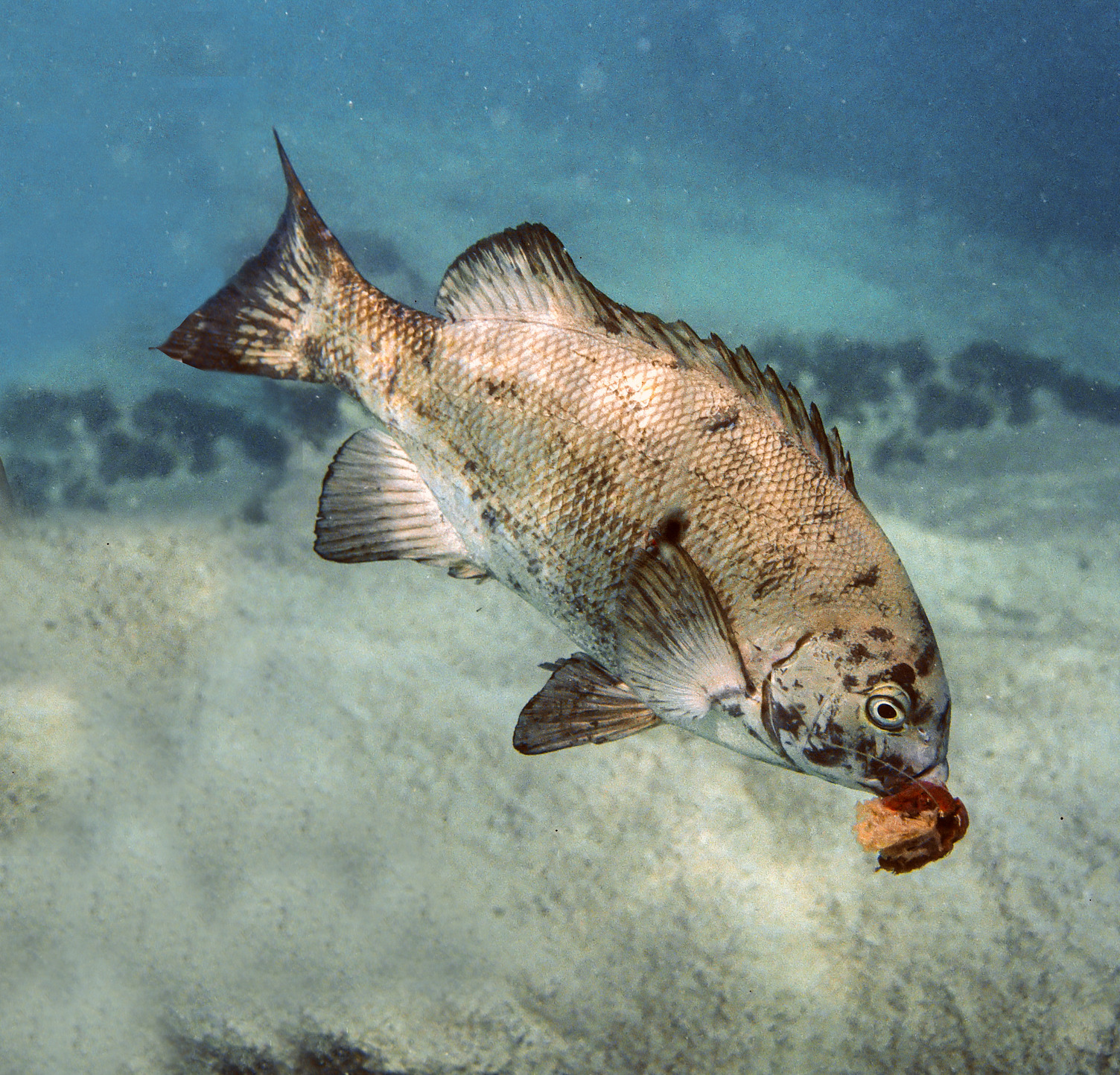
The Eastern Rock Blackfish, also known as black drummer or pigs are a prized target among rock fishing anglers due to its strong fighting spirit and delicious firm flesh. Arguably one of the best eating fish you are likely to encounter from the coastal rocky fringes from SE Queensland to Victoria.
Before embarking on your fishing adventure, it’s essential to understand the habits and characteristics of the Eastern Rock Blackfish. They are generally dark grey to black in colour, with powerful bodies that allow them to navigate the turbulent waters around the ocean rock washes. Growing to over 7kg it is the fish from 30cm to 2.5kg that are the best eating size and the most likely to encounter. Living on a diet of weeds, molluscs and crustaceans and living in the harsh confines of coast fringes, the pigs have limited commercial value, leaving recreational anglers good stocks of these hard fighting and desirable fish.
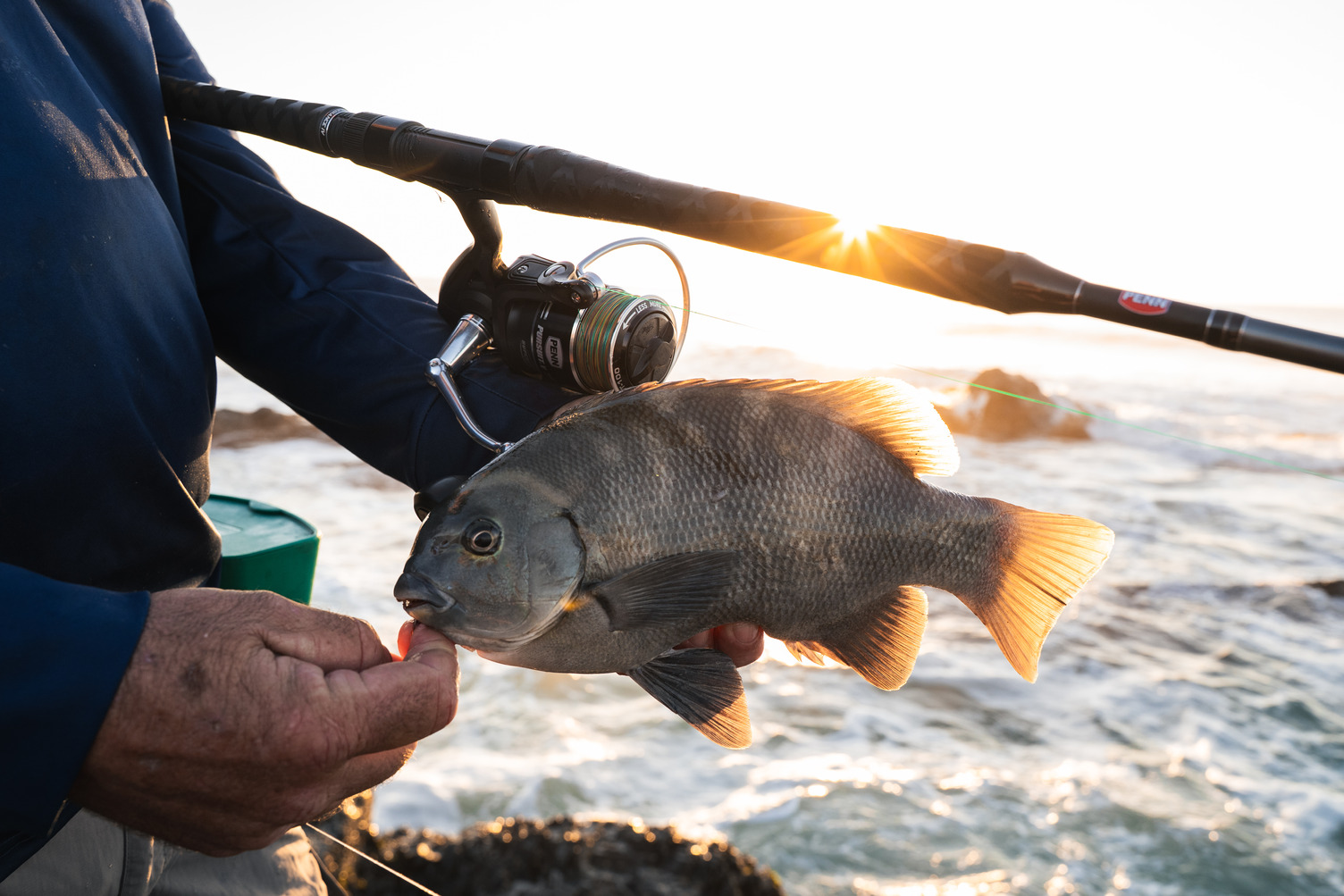
*PENN-Drummer-1 1.5 to 2kg fish are the perfect eating size and perhaps the most common
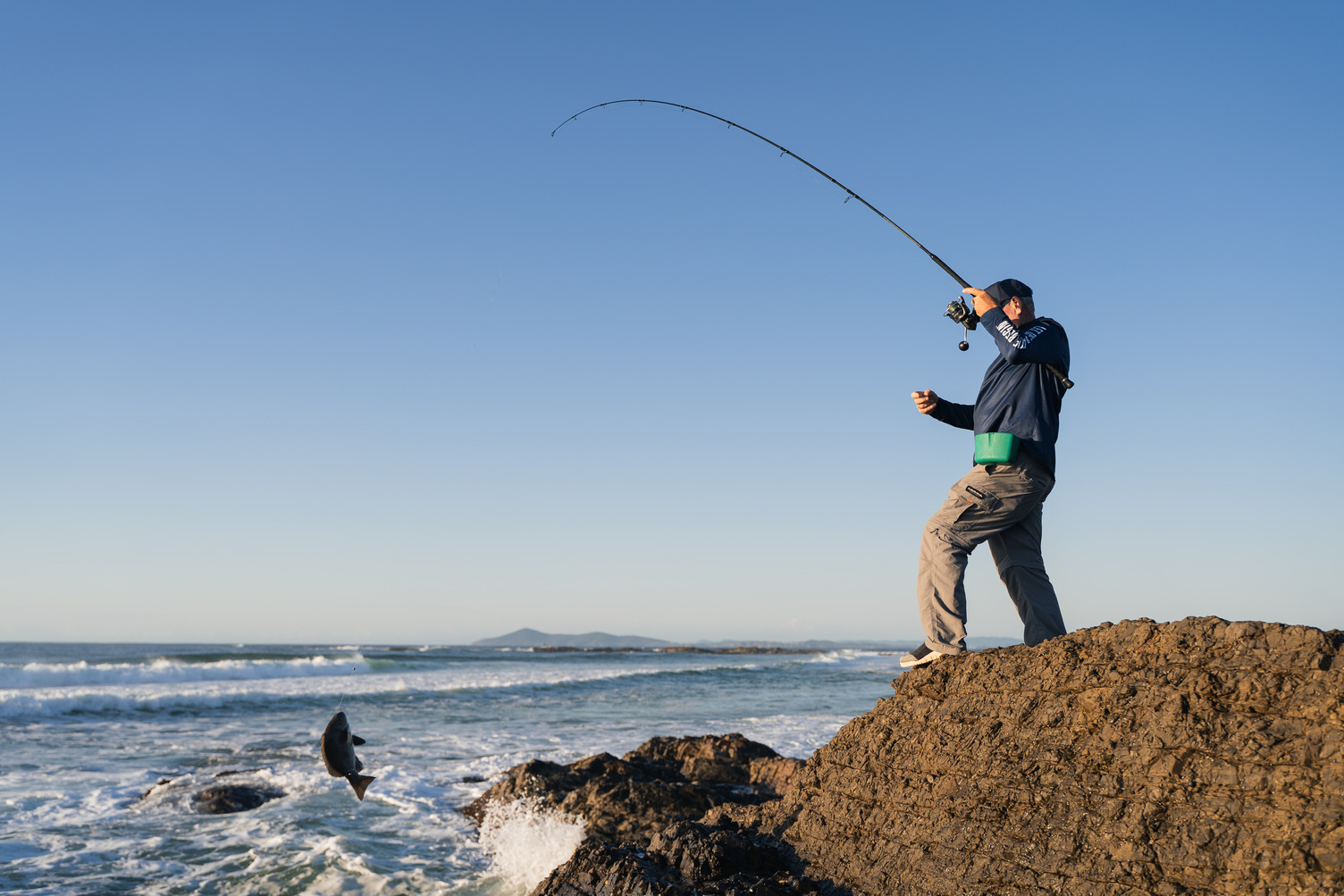
The PENN Pursuit V was built for battle.
Best Locations and Times
The best locations to catch them include rocky headlands, submerged reefs, and coastal rock formations. While the fish are more active during the early morning and late afternoon, particularly during high tide, they are most often caught during daylight and comfortable hours of a winter’s day.
During the cooler months of the year, depending on the geographical location you are fishing, winter is the prime period for numbers of fish. August through September is when these slow growing fish spawn and aggregate on the central and Mid North Coast of NSW.
When choosing a location to fish, ensure there is good wash areas with access to deeper water. Broken reef areas with channels and holes are idea as it gives the fish access and egress to the shallower water with every wave surge and the building tide level. If you are fishing in an area that is unfamiliar, stay mobile and spot hop likely areas until you locate schooling and feeding fish. This may mean covering a few hundred metres of coastline until you pinpoint the area that is most productive. It also means you get to see more spots that could work in changing conditions or adverse weather events.
Essential Gear and Bait
Rod and Reel
To catch Eastern Rock Blackfish, you’ll need a sturdy rod and reel capable of handling their strength. A medium to heavy-action rod, around 2.7 to 3.6 metres in length, paired with a good threadline reel, with a good drag system is ideal. It’s not surprise PENN rods and reels feature heavily in social posts, whether it’s from the rocks or boats. They have a reputation for reliability and durability and are built PENN tough. The reels are tough enough to suffer the usual angler neglect but with basic maintenance and washing down the PENN reels will have a long service life and spare parts, to keep them in tip top condition, are available.
A PENN PURSUIT V reel in a 5000 size is perfectly suited to rock fishing for both bait and lure fishing. The PURSUIT range of rods come as combos too so if your undecided what size reel you need the choice is there for you.
Penn PURSUIT V rods are perfect for pig fishing and provide a wide range of sizes and power from affordable prices. The lightweight build sacrifices nothing in the power department and wrestling pigs from the wash is made just that much easier with mid and butt section strength.
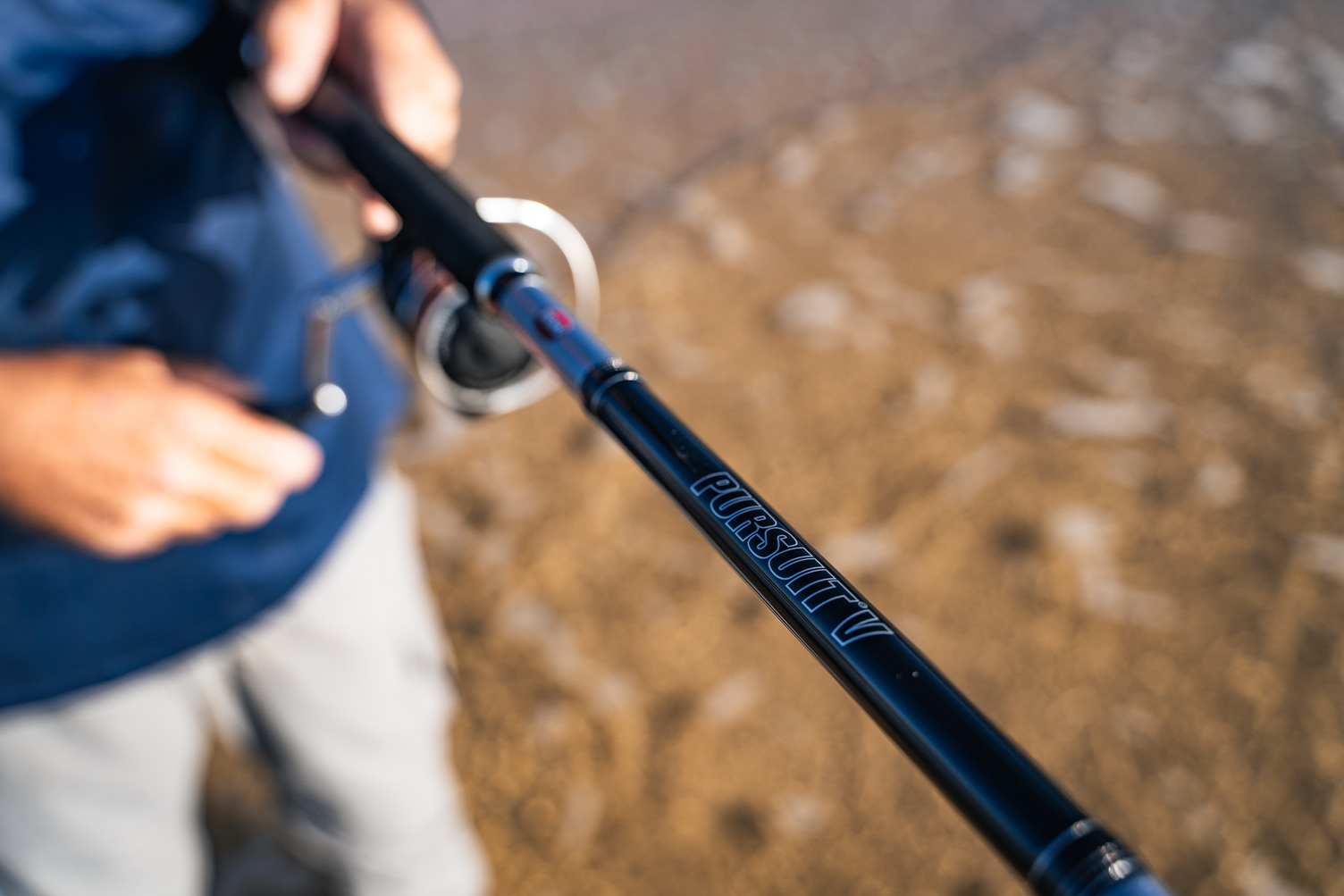
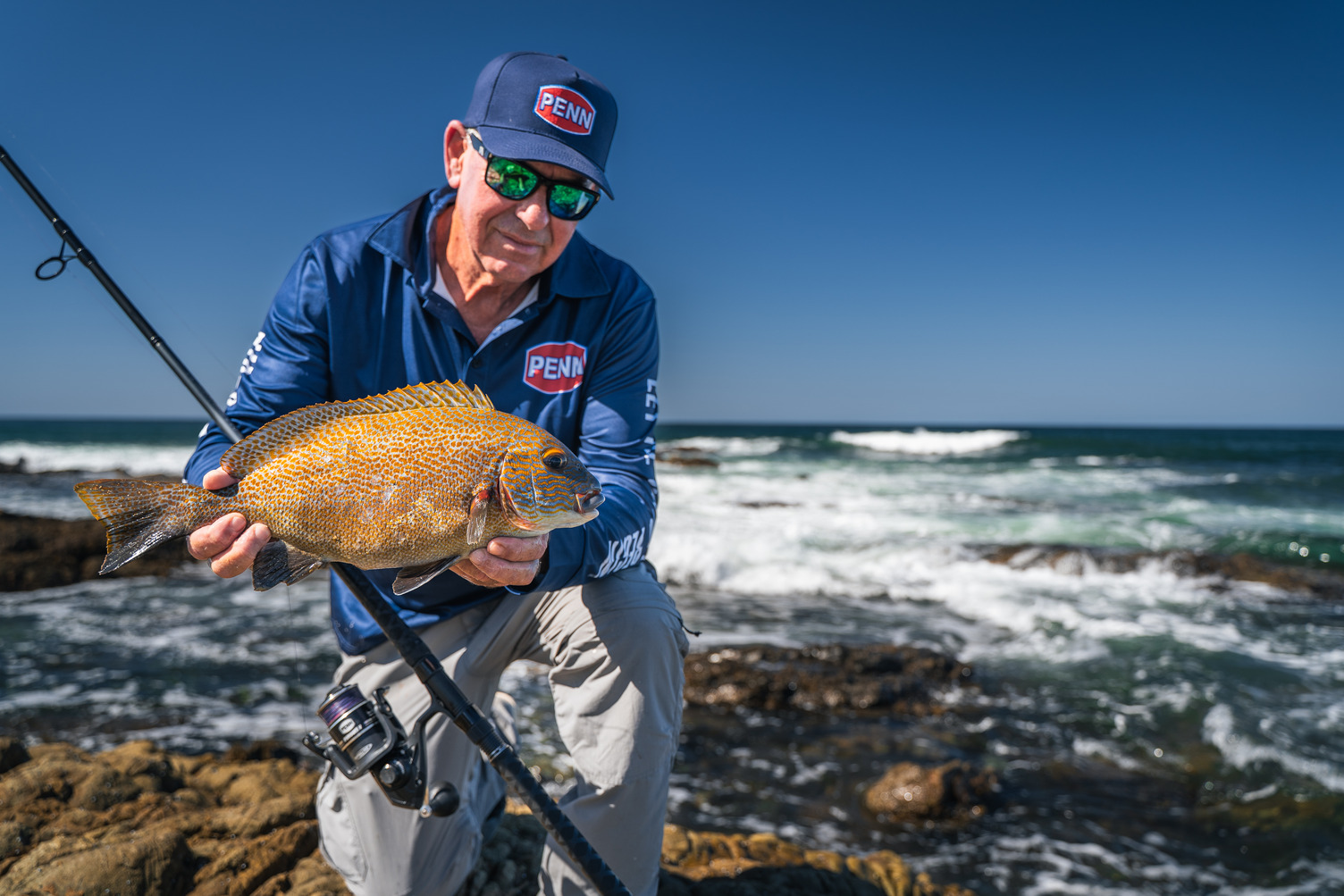
Winter rock fishing offers a mixed bag and you never really know what you’ll catch next
Line and Hooks
Without doubt braided line provide the most advantage for pulling these fish from the rocky, surging water. Braid of 15-20lb is enough and PENN SLAMMER. braid is perfect and my choice of line for all my rock fishing gear.
Leader material should be 1 – 1.5m long of a tough fluorocarbon or shock leader from 17 – 30lb and will depend on the water clarity and the terrain you fish. The clearer the water, the lighter the leader but for very reefy or rough shallow washes, a heavy leader will be required to resist the inevitable chaffing on rocks and weed.
There are a variety of hooks that will work for pigs. Bait keeper styles or Owner SSW are great. I like to attach my line to the hook with a Snell knot which is a fixed knot that will have the line pull directly on the shank of the hook when you strike. Other knots that are tied to the eye of the hook can migrate around the eye and offset the hook to the strike pressure. The Snell knot also allows your sinker to run freely on the main line and not get buried or stuck on the body of other knots.
Sinkers need only be 00-1 ball sinkers. The sinker is only there to provide casting weight and to resist the drawback surge that will bring your bait to the surface and away from the fish. The idea is to have your bait wafting around the rocks, above the weed and at the feeding depth of the fish, so retrieving and releasing line is important to counter the waves and drawback or the surge.
Bait
While there is a convenience and tendency to buy prawns from the supermarket, the risk of White Spot disease from imported prawns is too great. Only prawns sourced from local waterways, or a recognised bait outlet should be used as bait for all forms of fishing. Re boiling cooked prawns for at least 4min will render any white spot inert, freezing cooked prawns will not. (advice from Bio Security Aust)
Other baits include cunjevoi which can be collected at low tide in the inter tidal zone – where law permits. Green cabbage from rock pools and fresh white bread moulded around the hook are also alternative bait that can be very successful.
Fun Facts
- The scales on Eastern Rock Blackfish are designed to slip off the skin easily which help reduce impact damage when they hit rocks in heavy surge.
- Pigs have tricuspid teeth, a trait they share with their cousin, the Luderick. Their teeth grow and migrate forward from the lower and upper plates in their mouths. As teeth are worn or broken off there is another growing to replace it.
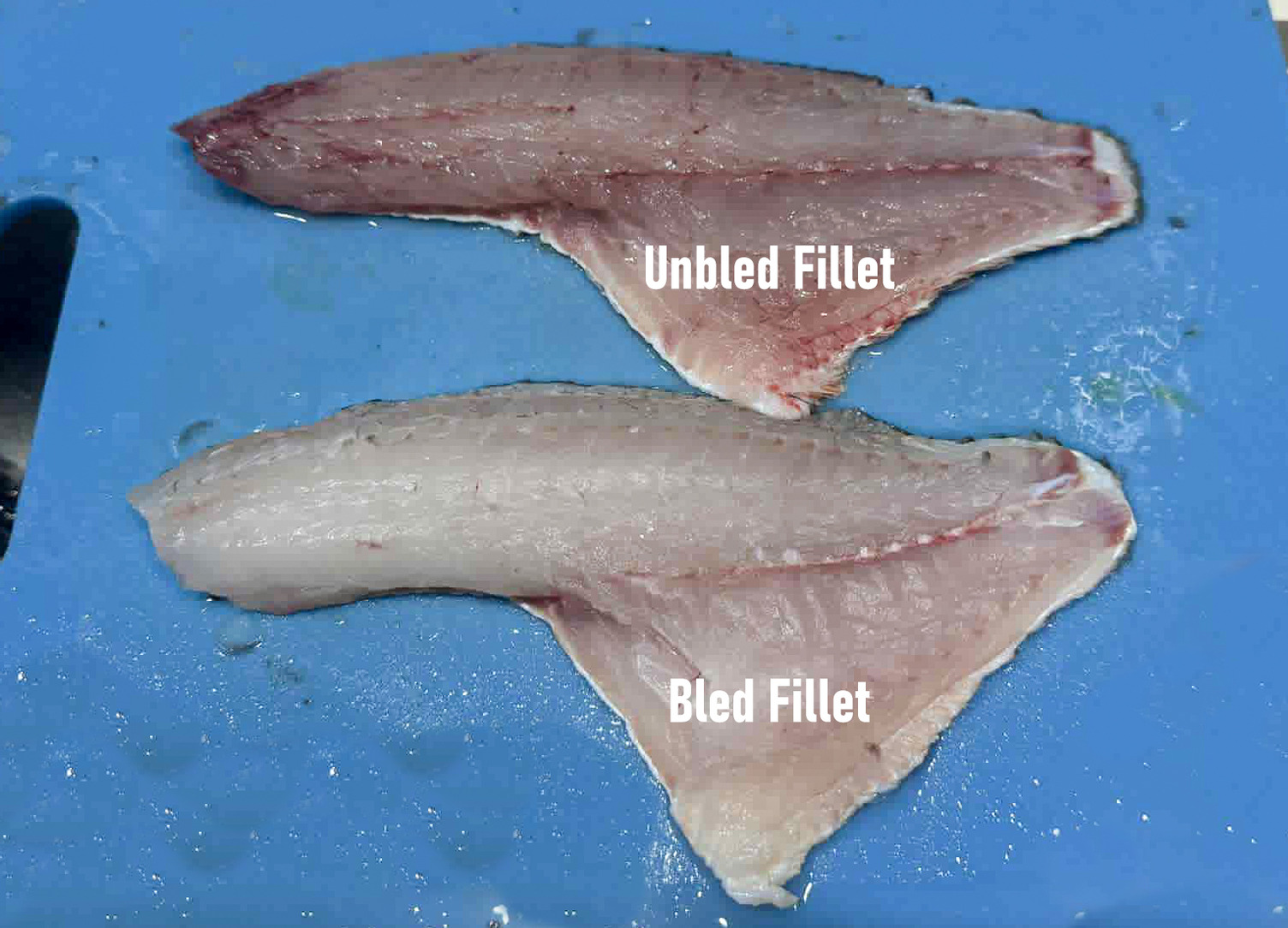
- Bleeding your fish immediately on capture will markedly improve the eating quality of the flesh. It is also more humane than leaving fish in a shallow rock pool to stress.
- Filleting and skinning your catch is the best way to prepare your fish for cooking.
- A backpack, shoulder bag and belted bait bucket allows mobility. The difference between finding fish and not, may be just the next wash or rocky outcrop.